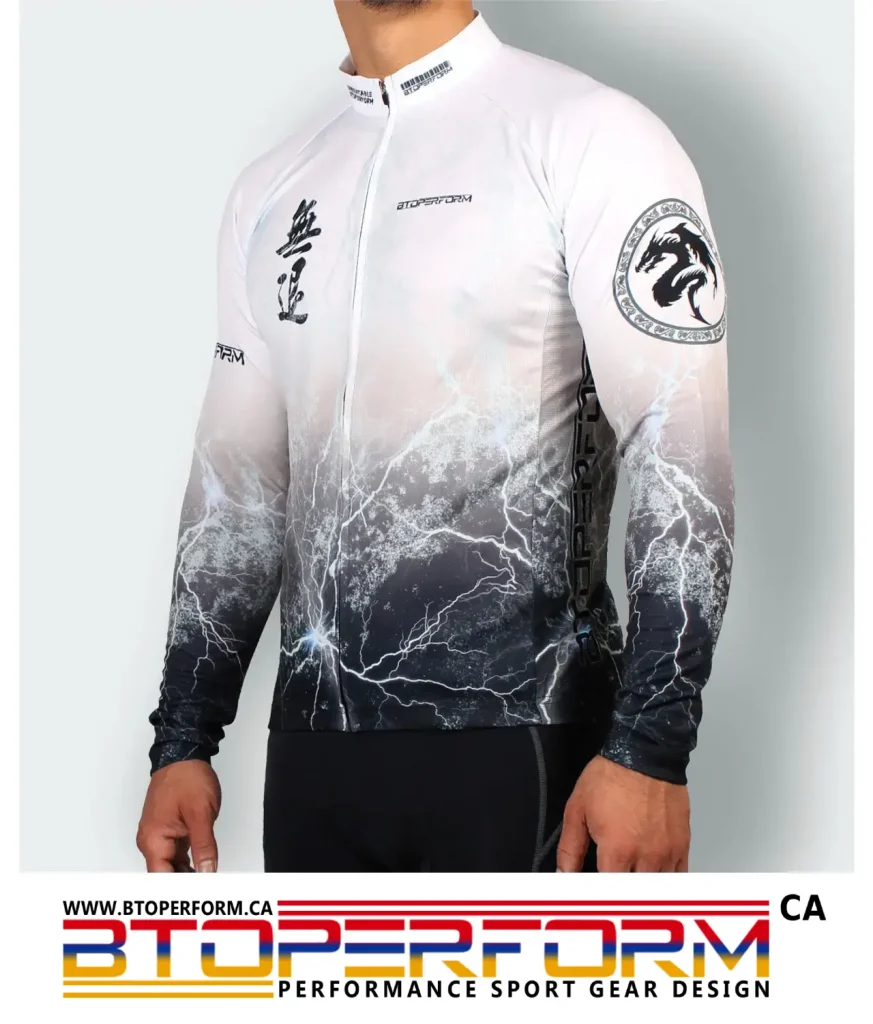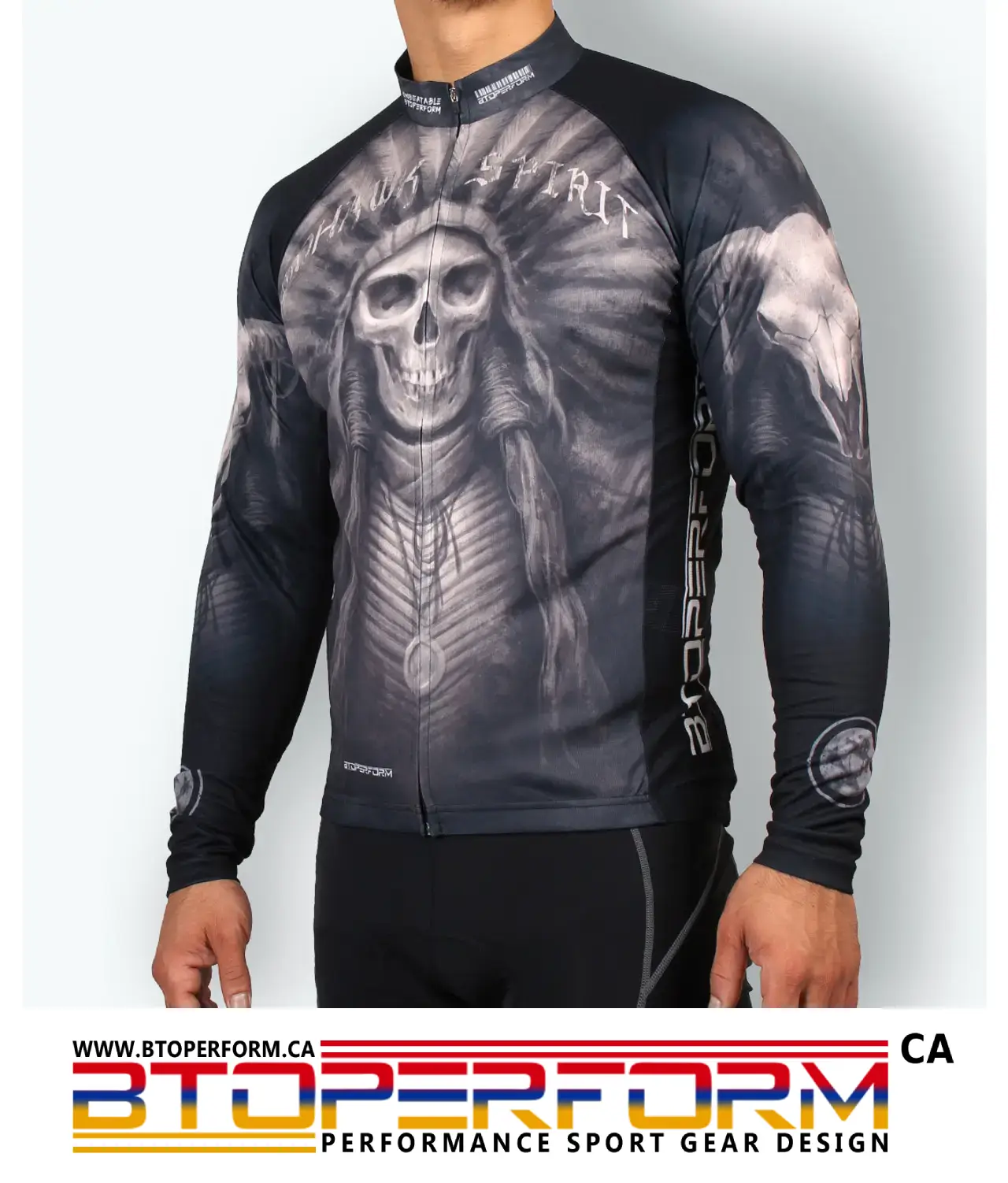
If you’ve ever watched a cyclist slice through the wind like it’s bending around them, you’ve already seen aerodynamics in action. But here’s the real question beginners and aspiring racers ask:
Are aero cycling clothes worth it?
Short answer: Yes — when speed matters, wind resistance matters even more. And the right kit can literally make you faster, save watts, and boost your confidence on the road.
Let’s break down the science of speed, in simple, friendly terms, with real performance logic — no magic gains, just physics.
Understanding Aerodynamics in Cycling (Without the Homework)
When you ride, you push against air. The faster you go, the more complex the air moves back. This invisible barrier is called drag.
Think of it like this:
Low speed → air resistance is mild
Higher speed → air feels sticky
Race speed (30+ km/h / 18+ mph) → air becomes a real opponent
Your body creates most of that drag, but your clothing either helps the wind slide around you or fights you every pedal stroke.
That’s where aero gear steps in — its only job is to make you slipperier to the wind.
How Much Speed Are We Talking? The Watts + Time Advantage
You won’t suddenly grow wings, but data from wind-tunnel and field testing consistently shows measurable gains from proper aero kits:
- A quality aero jersey can reduce drag enough to save about 5–15 watts at steady higher speeds.
- Aero shorts or bib shorts can save an additional 3–8 watts depending on fit and riding posture.
- Combined, a complete aero kit can translate to minutes saved on long, fast efforts (40 km+ / 25 miles+), or seconds shaved in sprints and race finishes — the difference between “almost” and a personal best.
Why this matters: The less energy you waste fighting wind, the more you can put into actual speed on the pedals.
The Benefits of an Aero Jersey — Why It Beats Normal Kit for Speed
A performance-focused aero jersey isn’t tighter just to look sleek — it’s engineered for purpose.
Here’s what makes it faster:
Ultra-Snug Fit
No flapping fabric means smoother airflow and less drag.
Textured or Performance Fabrics
Tiny surface patterns help air detach cleanly, preventing turbulence from forming behind you.
Strategic Seam Placement
Aero gear avoids seams on high-pressure airflow zones and moves them to areas that disturb wind less.
Aero Jersey and Shorts — The Secret Is in the Design
Most high-end aero apparel shares common design elements:
- Tight around arms and torso
- Minimal or bonded seams
- Stretch fabrics that mold to your riding position
- Longer sleeves to smooth airflow further down your arms
- Silicone grippers or straps that keep everything locked during effort
- Shorts or bibs with compressive fabrics for improved airflow and muscle stability (extra endurance and power for race finish pushes)
Examples of top-performing brands:
- Castelli pioneered many race-driven aero fabrics and fit concepts.
- Rapha is known for wind-tunnel-tuned seam construction and premium race ergonomics.
- Gore Wear focuses on airflow-optimized outer textiles and precision form-fit systems.
Why it matters: It’s not one feature that makes you faster — it’s how all these features work together when you’re tucked into the drops or charging toward the finish line.
So… Are Aero Cycling Clothes Worth It for You?
| Rider Type | Benefit Level | Verdict |
|---|---|---|
| Casual rider (≤ 20 km/h / 12 mph) | Low | Prioritize comfort over aero |
| Beginner training rider (25–30 km/h / 15–18 mph) | Medium | Some gains — worth considering |
| Competitive rider / racer (30+ km/h / 18+ mph) | High | Absolutely worth it |
If you like data, competition, and chasing personal bests, aero gear is one of the few upgrades proven to make you faster without changing your engine — just upgrading your armor.