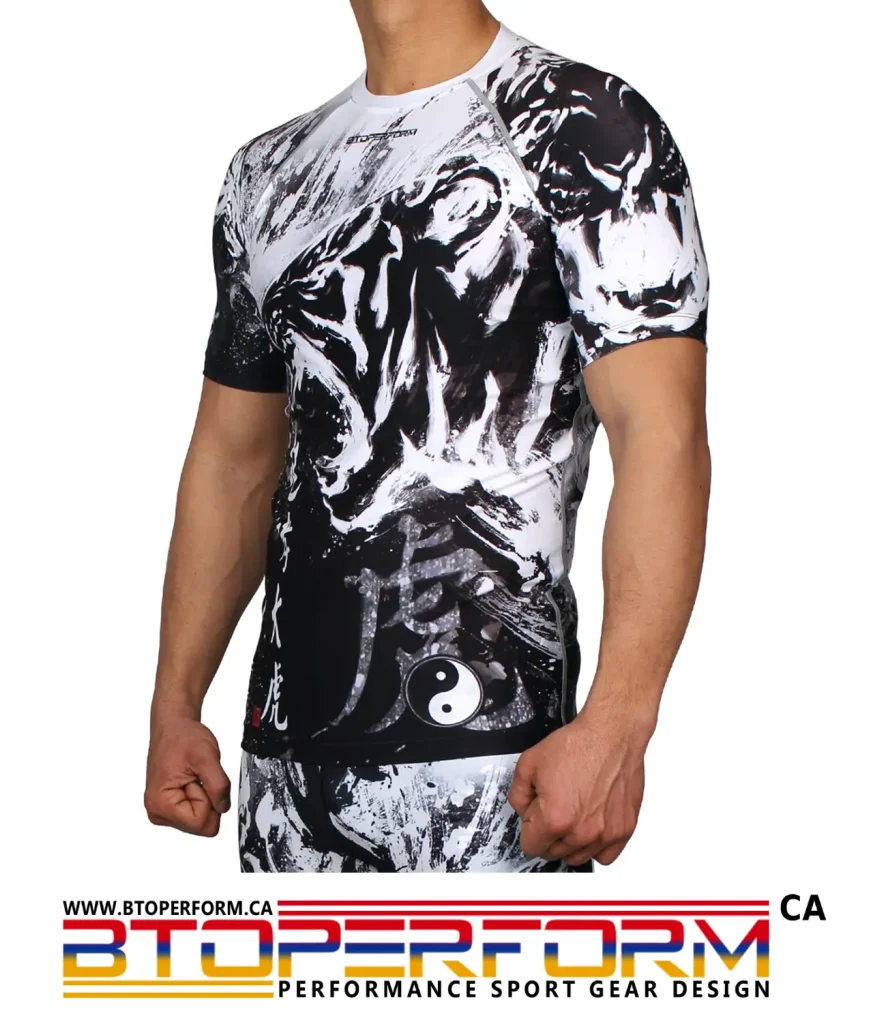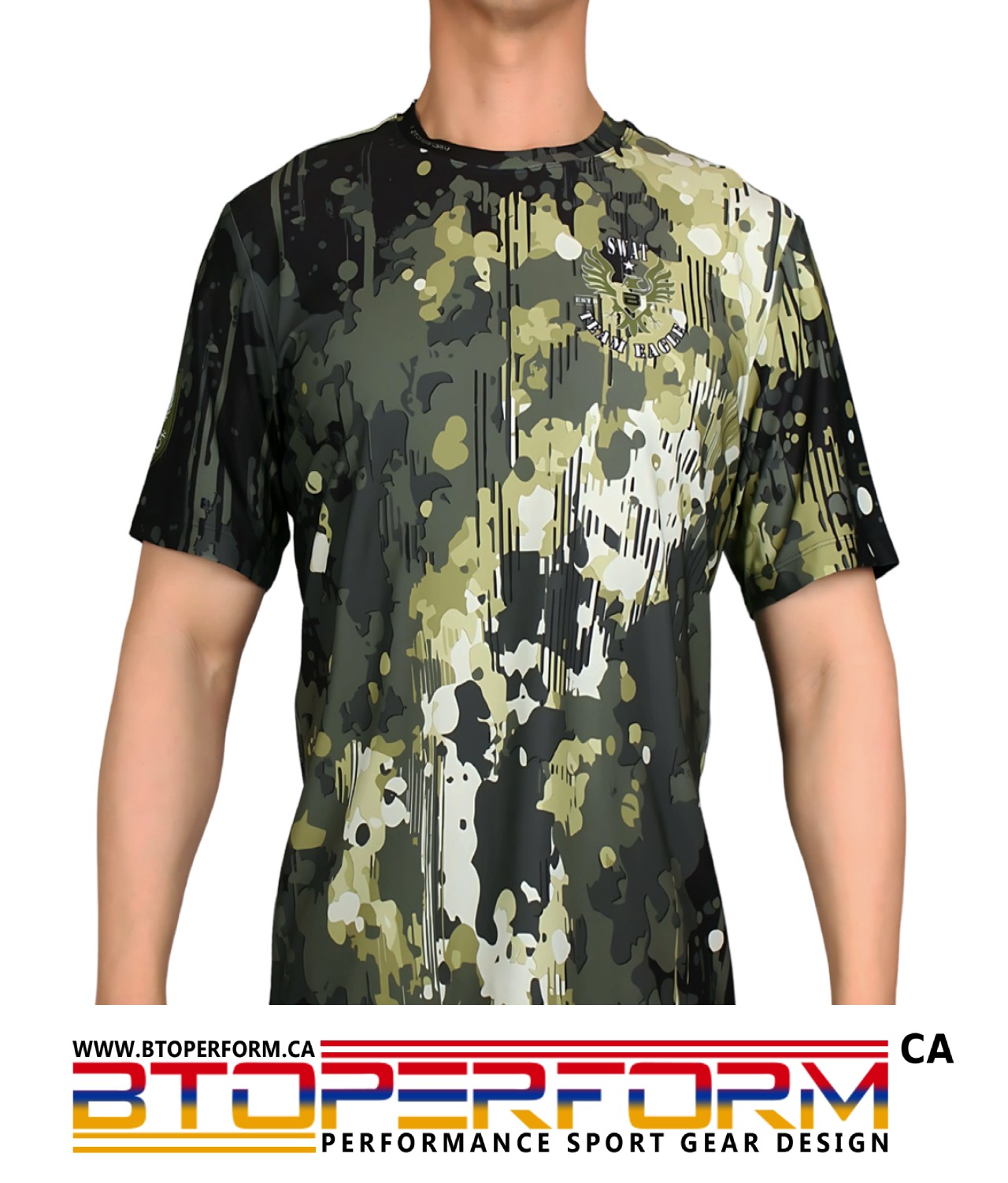
Compression gear is scientifically designed clothing that supports your body during physical activity, enhances performance, and accelerates recovery. It’s more than just tight clothing—it’s a tool used by athletes and cyclists to maintain efficiency, reduce fatigue, and support proper muscle alignment.
How Compression Gear Works
Compression clothing works on the principle of graduated compression:
- Graduated Compression – Pressure is strongest at the extremities (like calves, wrists, or ankles) and gradually decreases toward the heart. This helps blood flow efficiently back to the heart.
- Muscle Support – Stabilizes muscles during activity, reducing vibration and fatigue, which improves endurance and performance.
- Recovery Benefits – After intense exercise, compression clothing promotes circulation, helping remove metabolic waste (like lactic acid), reducing soreness, and speeding recovery.
- Performance Use – Athletes wear compression shorts, socks, sleeves, or jerseys during training, racing, or long rides to maintain efficiency and support proper muscle alignment.
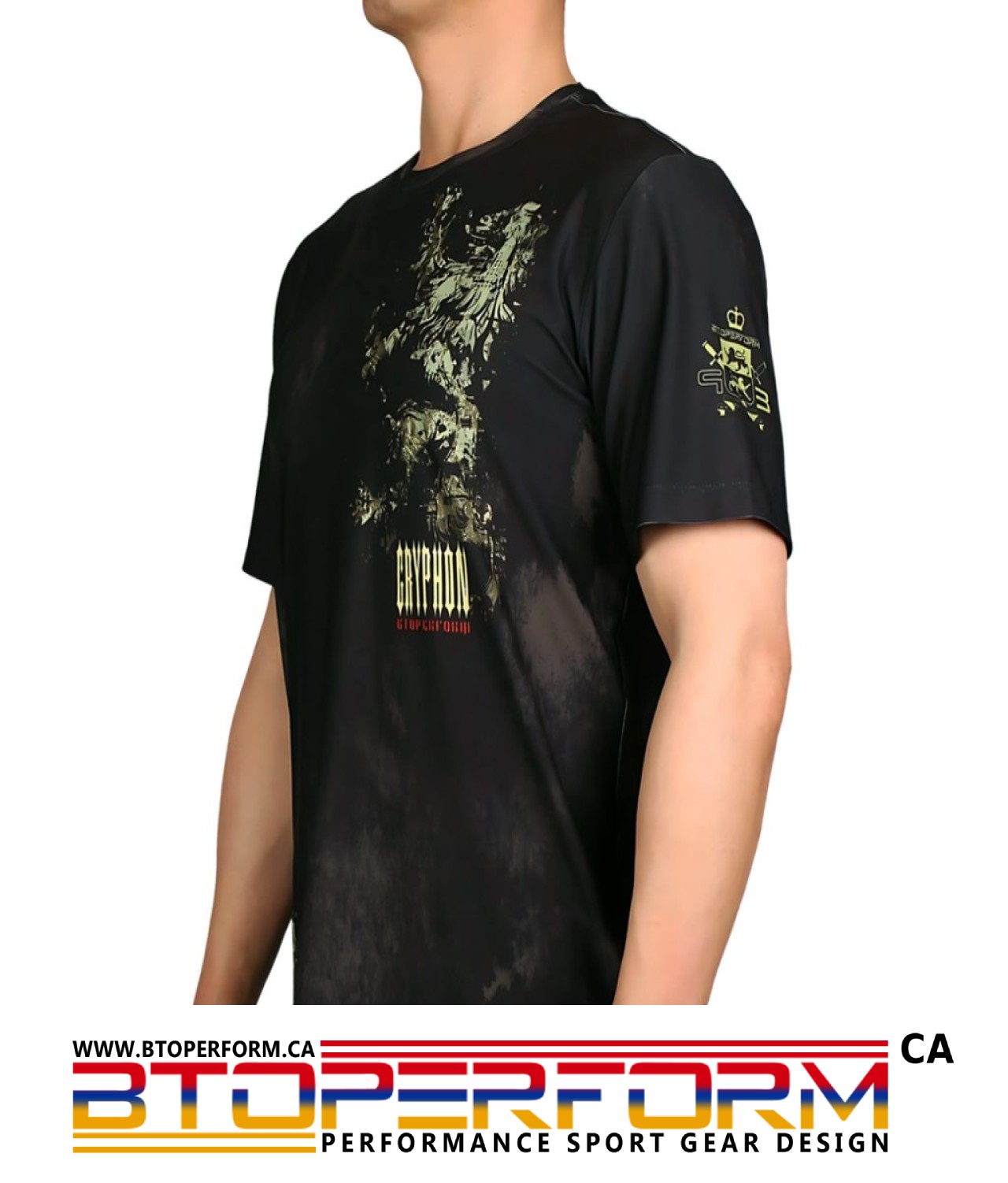
Levels of Compression
Compression garments come in different levels, measured in mmHg (millimeters of mercury), depending on activity and recovery needs:
- Mild (8–15 mmHg): Travel, casual use, swelling prevention
- Medium (15–20 mmHg): Everyday training and comfort
- Firm (20–30+ mmHg): Recovery, intense workouts, or racing
Benefits of Compression Wear
Compression clothing isn’t just tight clothing — it provides measurable advantages for athletes and cyclists:
Enhanced Performance
Supporting key muscle groups reduces muscle vibration, conserving energy and maintaining endurance.
Faster Recovery
Improved blood flow accelerates the removal of lactic acid and metabolic waste, reducing soreness after rides or workouts.
Reduced Muscle Fatigue & Injury Risk
Stabilized muscles experience less strain and micro-trauma, lowering the chance of overuse injuries.
Improved Circulation & Oxygen Delivery
More efficient blood flow delivers oxygen to muscles faster, delaying fatigue.
Comfort & Support
Snug fit reduces chafing and supports posture, helping maintain proper form during long rides.
How Does Compression Clothing Work?
Compression clothing works by gently “squeezing” the muscles:
- Strongest pressure at the extremities (calves, wrists, ankles)
- Gradual decrease toward the heart
- Pushes blood back toward the heart
- Promotes oxygen delivery to muscles
- Removes metabolic waste efficiently
This helps muscles work better, reduces fatigue, and aids in faster recovery.
Compression Gear for Cycling Recovery
After long or intense rides, cyclists often use specific compression gear to speed recovery:
Lower Body
- Compression socks or sleeves: Improve lower-leg circulation and reduce swelling
- Compression bib shorts or tights: Support quads, hamstrings, and glutes to reduce soreness
Upper Body
- Compression jerseys or tops: Aid upper-body recovery, especially for core and back muscles
Using these pieces post-ride allows for consistent training without overtaxing muscles.
Different Compression Levels for Athletes
Choosing the right level of compression depends on activity intensity and your goals:
| Level | Pressure (mmHg) | Best Use |
|---|---|---|
| Mild | 8–15 | Travel, casual wear, swelling prevention |
| Medium | 15–20 | Everyday training, endurance rides, light recovery |
| Firm | 20–30+ | Intense workouts, competitive racing, post-ride recovery |
Compression gear is more than tight clothing—it’s a scientifically backed tool to enhance performance, reduce fatigue, and speed recovery. Cyclists and athletes benefit the most by wearing the right level for the right activity.