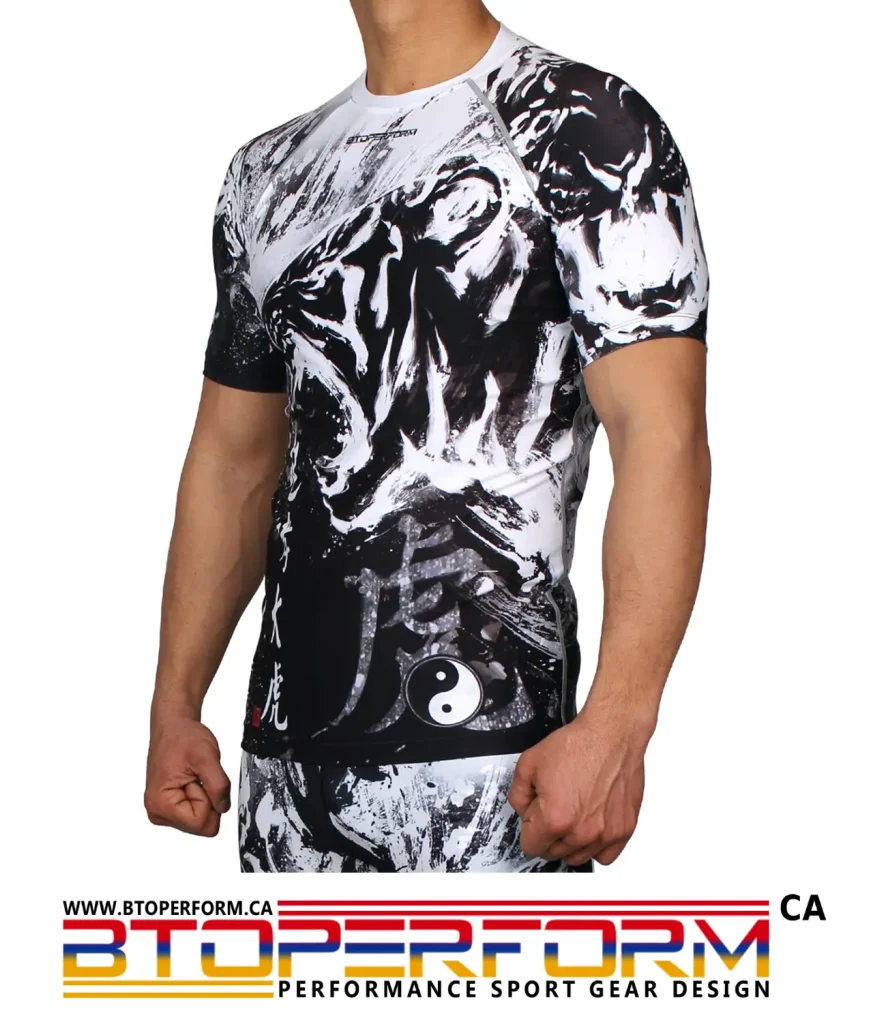
Strength and conditioning athletes who train with focus, structure, and intensity gain the most from compression in the gym. This includes lifters following methodologies endorsed by organizations like USA Weightlifting and power athletes applying progressive overload principles, similar to those studied in sports biomechanics. High-volume training athletes often prioritize form and stability, using compression as an external support layer to reduce muscle vibration and improve movement precision. Brands like Under Armour helped normalize compression across weight rooms and functional fitness.
Weightlifters
Weightlifters benefit from targeted support on:
- Calves, quads, and hamstrings
- Core, shoulders, and lower back
These are key muscle groups engaged in movements like squats, deadlifts, Olympic lifts, and presses. Compression helps reduce micro-vibrations, improve stability, and maintain muscle alignment during heavy lifts.
HIIT and Cross-Style Trainers
Athletes in HIIT or cross-style training use compression to:
- Keep muscles warm
- Improve proprioception (body awareness)
- Enhance joint stability during rapid transitions
This mirrors performance patterns tracked by tools like Hevy, which monitor progressive load and form.
Powerlifters
Powerlifters handling maximal loads rely on compression to:
- Increase confidence under heavy sets
- Support soft-tissue stability
- Maintain correct posture and neuromuscular efficiency
This benefit aligns with physiological adaptations observed in post-exercise inflammatory response research.
Athletes Using Motion or Recovery Tracking
Athletes incorporating motion sensors, performance trackers, or recovery apps amplify their training effect with compression. It helps maintain proper muscle engagement, correct posture, and improves overall neuromuscular efficiency.
Cyclists or gym-goers using indoor training apps like Zwift can also integrate compression as a non-negotiable performance and recovery layer in their training ecosystem.