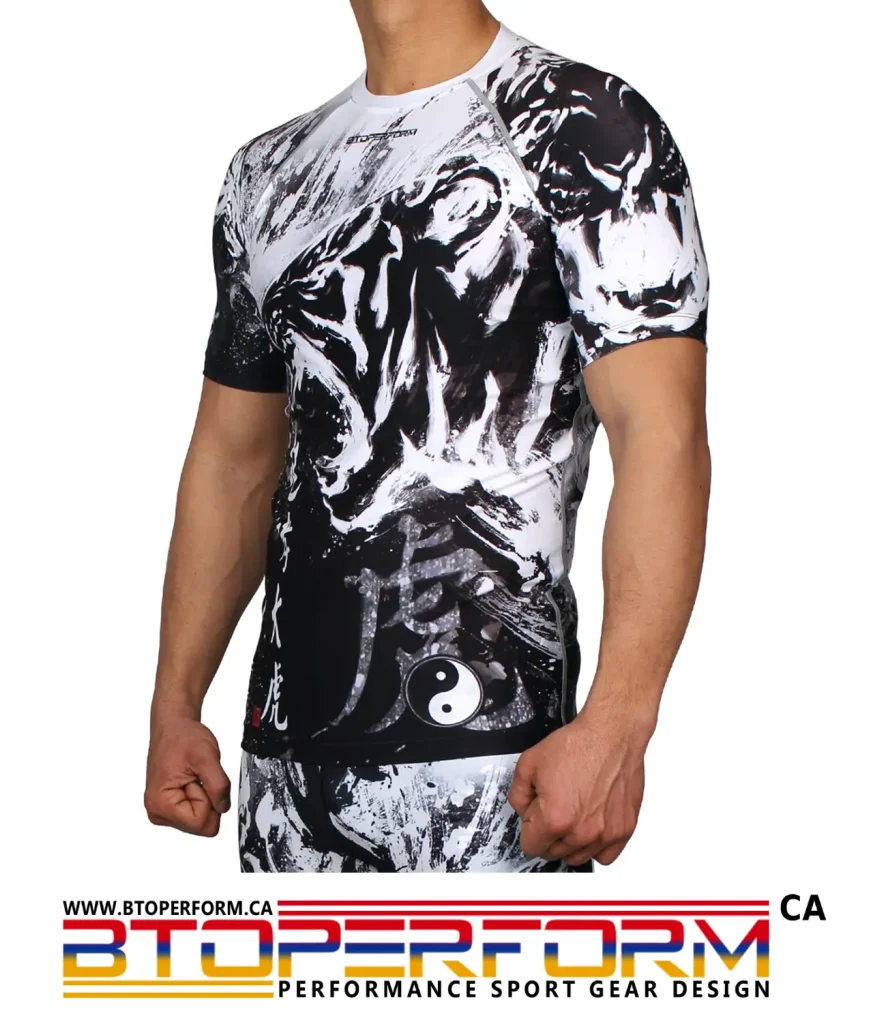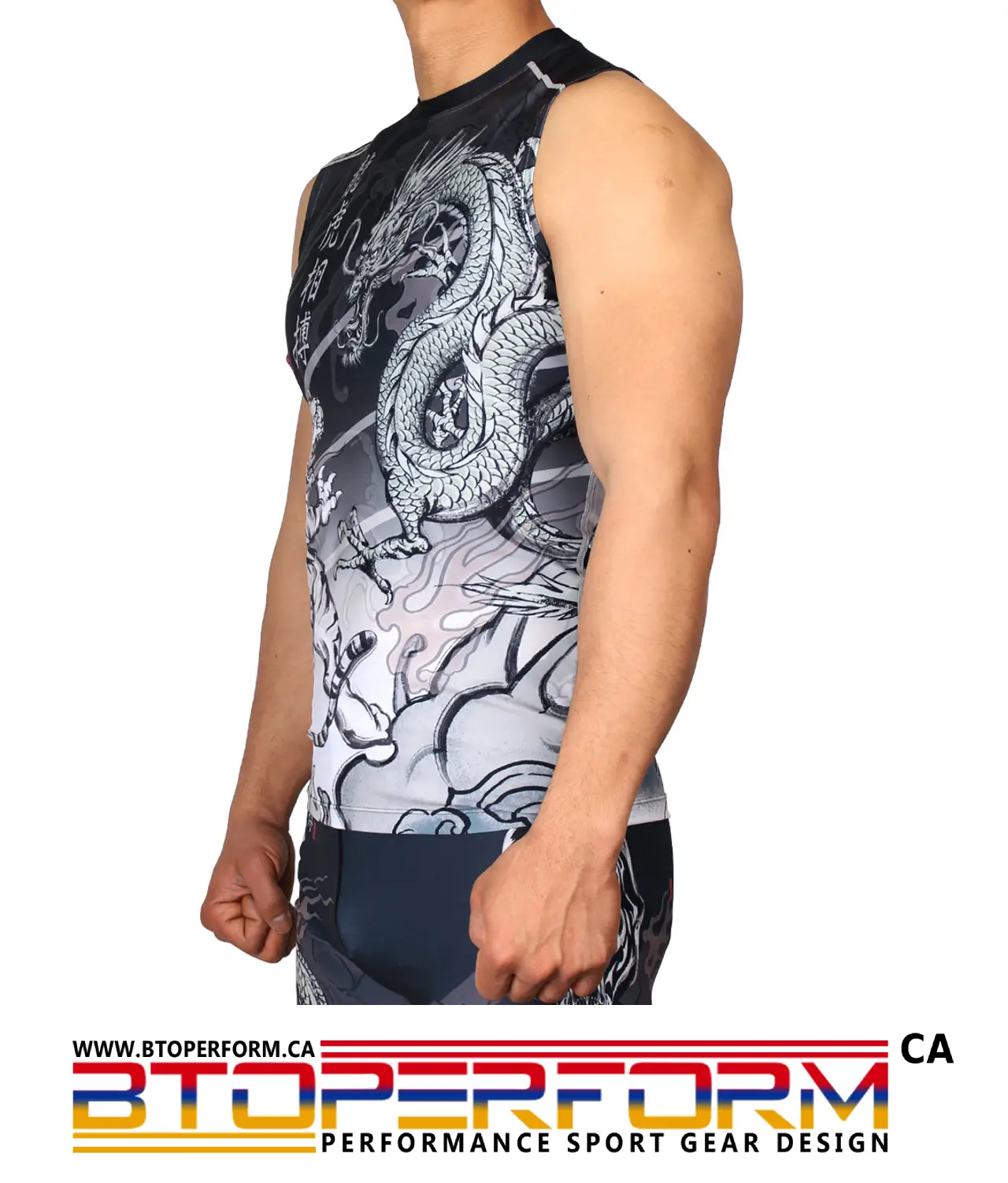
Compression wear is no longer just for runners on the track or cyclists in the mountains—it’s making serious noise in gyms worldwide. But does it actually boost strength training results?
Short answer: yes—when appropriately engineered, compression apparel provides real performance, support, and recovery advantages. Let’s break down the science behind it.
How Compression Clothing Works in the Gym
Compression apparel applies consistent, controlled pressure to muscles. For gym athletes, the key mechanisms include:
Muscle Stability & Support
Acts like a soft external brace, reducing micro-movement in muscle tissue during lifts.
Improved Proprioception
Better body awareness improves movement control, safer lifts, and optimized form.
Keeping Muscles Warm
Warmer muscles contract more efficiently, move better, and are less injury-prone.
These principles are supported by research from organizations such as the American Council on Exercise and performance labs tied to brands like Reebok Performance.
Top Benefits for Strength Training & Weightlifting
1. More Support on Heavy Lifts
Compression tights, shorts, and tops reduce muscle vibration and support soft tissue mechanics during deadlifts, squats, and presses.
2. Better Form Through Enhanced Body Awareness
Improved proprioception helps lifters refine their technique—similar to motion-tracking feedback from apps like Strong.
3. Reduced Muscle Fatigue
Less wasted energy from muscle oscillation means better endurance throughout sets.
4. Maintains Muscle Temperature
Wearing compression during warmups and rest intervals keeps key areas like legs and core ready for the next round.
5. Supports Recovery
Many athletes use compression in combination with recovery tools from brands like TheraGun to accelerate post-training recovery.
The Best Compression Gear for Gym Athletes
Not all gear serves all training types. Here are the most effective compression products for gym use:
| Product Type | Best For | Benefit |
|---|---|---|
| Compression shorts | Weightlifting, HIIT, leg stability | Core and quad support + warmth |
| Compression tights | Squats, deadlifts, full-leg endurance | Reduce vibration and boost stability |
| Compression tops | Chest, back, arm sessions | Shoulder support and improved posture awareness |
| Compression tanks | Mobility, heat control | Keep muscles warm without overheating |
Top gym-aligned compression lines like Gymshark Vital and medically-informed systems like Bauerfeind are popular in strength and recovery communities.
Is Compression Better Than Other Gym Support Methods?
Compression doesn’t replace recovery or mobility work—it amplifies it. It pairs well with:
- Foam rolling for tension release
- Stretching for range-of-motion restoration
- Massage for blood flow
- Ice baths or cryotherapy (best used before training, not simultaneously with compression)
Compression’s unique advantage: it provides passive, ongoing support during and after training without extra effort.
Who Should Use Compression in the Gym?
- Strength athletes focused on form and progressive overload
- Weightlifters seeking extra support for legs, shoulders, and core
- HIIT trainers and Cross-style gym participants
- Powerlifters handling constant heavy loads
- Users of motion-tracking or workout log systems like Hevy